
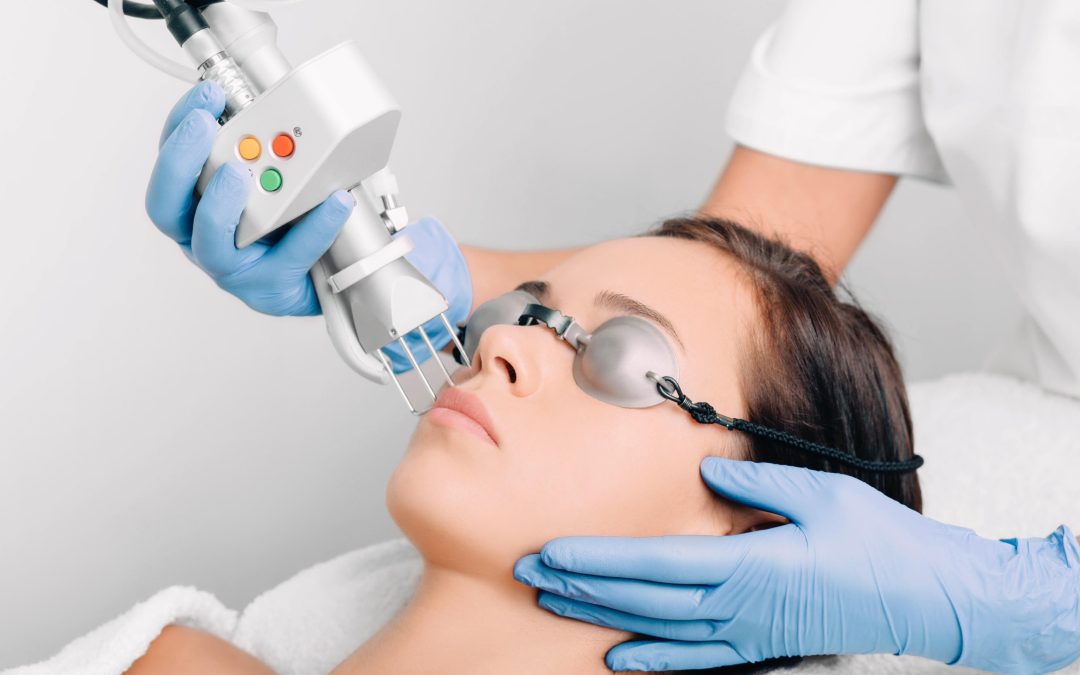
Looking in the mirror, you might notice that your skin doesn’t look quite the way it used to. Perhaps your cheeks seem less firm, the skin around your jawline looks softer, or fine lines have become more noticeable. For someone else, the concern might be rough texture, enlarged-looking pores, or uneven skin tone.
These changes can appear together, but they don’t necessarily have the same cause. That’s where understanding the difference between skin tightening and skin resurfacing becomes useful.
Both approaches are used in aesthetic medicine, although they address different aspects of skin aging. Tightening treatments generally focus on improving firmness and supporting collagen remodeling, while resurfacing treatments primarily target texture, surface irregularities, and certain visible signs of skin damage.
At Skin Deep NB, patients exploring anti-aging treatments in New Braunfels can discuss their individual concerns before choosing a procedure.
What Is Skin Tightening?
Skin tightening refers to treatments designed to improve the appearance of mild skin laxity and support firmer-looking skin.
As people age, the skin gradually experiences changes in collagen, elastin, and other structural components. These changes can influence how well the skin maintains its shape and how quickly it returns to position after movement.
The cheeks, lower face, and jawline are areas where these differences may become noticeable.
Certain non-surgical procedures use controlled energy to heat targeted tissue and stimulate a repair response. Depending on the technology, this process may encourage collagen remodeling over time.
However, non-surgical tightening is not equivalent to a surgical facelift. Results are generally more subtle, and patients with significant loose skin may require a different approach.
How RF Microneedling Supports Skin Firmness
One treatment that may be considered for selected firmness and texture concerns is radiofrequency microneedling.
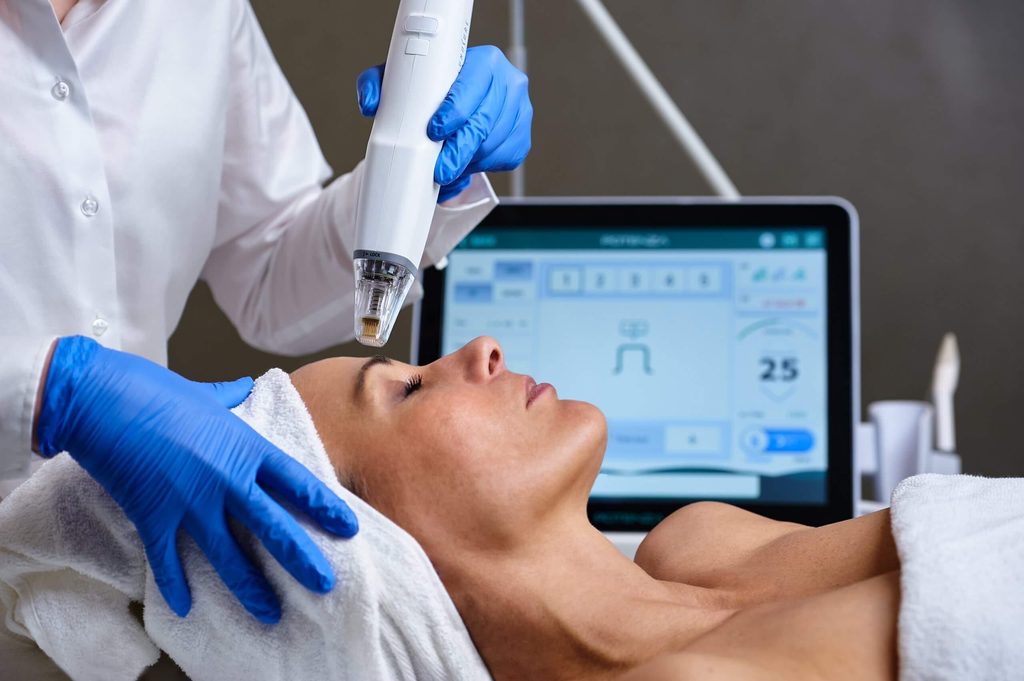
The procedure combines fine needles with radiofrequency energy delivered into targeted tissue. This creates controlled stimulation that may encourage collagen remodeling.
Skin Deep NB offers RF microneedling treatments for patients seeking improvements in certain skin-quality concerns.
Because the treatment works through a biological remodeling process, improvements generally develop gradually rather than appearing immediately after the appointment.
The degree of improvement depends on skin condition, treatment settings, individual response, and the severity of the concern.
What Is Skin Resurfacing?
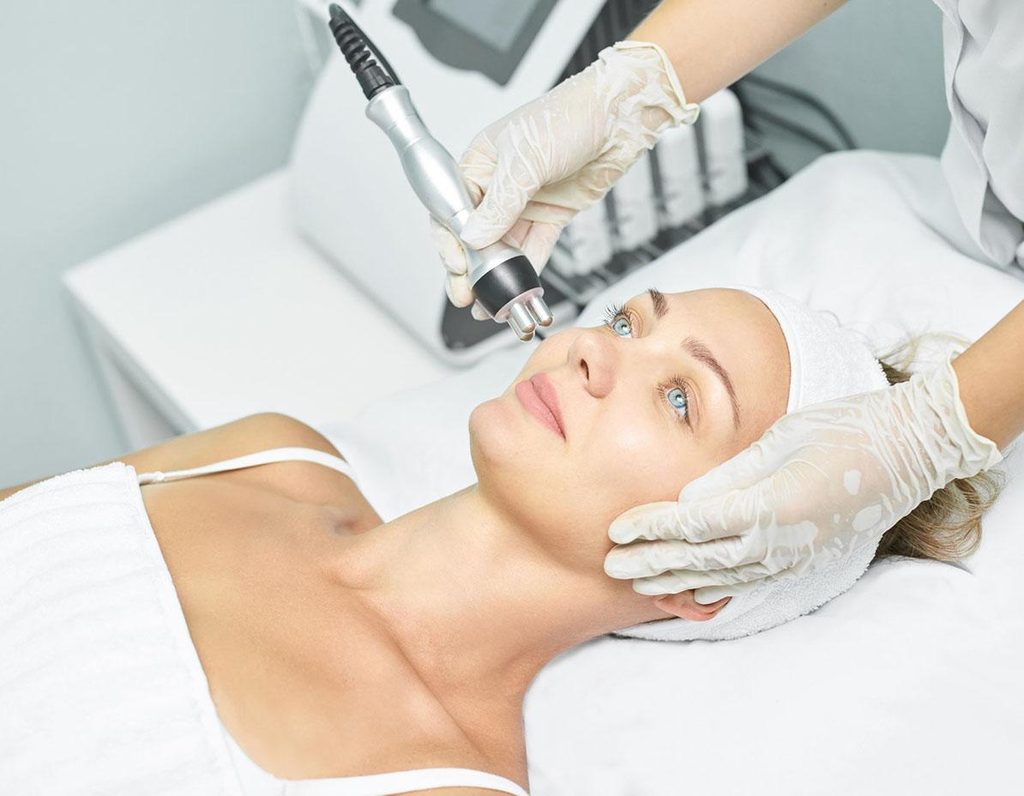
Skin resurfacing focuses more directly on improving the appearance of the skin’s surface.
Depending on the procedure, resurfacing may address rough texture, certain fine lines, uneven pigmentation, and selected acne-related changes.
Some resurfacing methods remove or affect targeted layers of skin, while others deliver controlled energy to stimulate renewal and remodeling.
The appropriate approach depends on the treatment technology and the patient’s skin characteristics.
Skin Deep NB provides skin resurfacing in New Braunfels as part of its broader aesthetic services.
When Surface Texture Is the Main Concern
Not every visible sign of aging is caused by loose skin.
Someone may have reasonably firm facial contours but still experience roughness, uneven texture, or visible sun-related changes.
In this situation, a procedure focused primarily on tightening might not address the main concern.
Resurfacing may be more relevant when the objective is to improve surface quality rather than create a lifting effect.
This distinction is important because patients sometimes describe their skin as looking older without knowing which specific change is responsible.
A professional assessment can help separate texture concerns from structural changes before treatment begins.
Which Treatment Helps With Fine Lines?
Fine lines can develop for several reasons.
Some are associated with repeated facial expressions. Others become more visible as skin structure, hydration, and collagen change over time.
Skin tightening procedures may improve certain fine lines by supporting collagen remodeling, while resurfacing treatments can help with selected surface-related lines.
However, neither approach automatically replaces injectable wrinkle relaxers.
For lines caused primarily by repeated muscle movement, Skin Deep NB also offers Botox and Xeomin.
The most appropriate treatment depends on whether the concern involves muscle movement, skin quality, reduced firmness, or several factors together.
Can Skin Tightening Improve the Jawline?
A softer-looking jawline is a common concern among adults exploring non-surgical rejuvenation.
However, changes around the lower face can involve several different factors, including skin laxity, facial fat distribution, underlying anatomy, and age-related volume changes.
A treatment designed to stimulate collagen may offer modest improvement for appropriately selected patients with mild laxity.
It cannot reliably correct every cause of reduced jawline definition.
This is why a consultation should assess the lower face as a whole rather than assuming that tighter skin alone will create the desired contour.
What About Sun Damage and Uneven Skin Tone?
Sun exposure can influence the appearance of the skin in ways that are not directly related to firmness.
Brown spots, uneven pigmentation, redness, and rough texture may become more noticeable after years of cumulative UV exposure.
These concerns often require a different approach from skin tightening.
Skin Deep NB discusses treatment considerations in its existing article about sun damage in Texas.
For appropriate pigmentation or redness concerns, IPL therapy in New Braunfels may also be considered following professional assessment.
Not all pigmentation is suitable for light-based treatment, making accurate evaluation especially important.
Why Treatment Selection Should Be Personal
The difference between tightening and resurfacing becomes clearer when patients identify their primary concern.
A person with mild laxity may be interested in improving firmness. Someone with acne-related texture may benefit from an approach focused on surface quality and collagen remodeling. Another patient may have pigmentation concerns that require a separate strategy.
Some people experience several of these changes simultaneously.
In those cases, treatment planning may involve more than one approach, but additional procedures should only be recommended when they serve a clear purpose.
The goal is not to choose the most advanced technology available. It is to choose a treatment that addresses the specific concern while accounting for safety, recovery time, and realistic expectations.Website check: Skin Deep NB has dedicated skin-tightening, resurfacing, and RF microneedling pages, so this comparison is relevant to its services
How Much Downtime Should You Expect?
Recovery time is one of the most important factors when choosing between skin tightening and resurfacing treatments.
Some non-surgical tightening procedures involve relatively little downtime, although temporary redness, swelling, or sensitivity may occur. The recovery period depends on the technology used, treatment intensity, and individual skin response.
Skin resurfacing can involve a wider range of recovery experiences. Certain superficial procedures may cause temporary dryness or mild flaking, while more intensive resurfacing treatments can require a longer healing period.
Patients should discuss recovery expectations before scheduling treatment, particularly when preparing for weddings, vacations, professional events, or photography sessions.
The appropriate procedure should balance potential benefits with the amount of recovery time a patient can reasonably accommodate.
How Many Sessions Are Needed?
There is no universal treatment schedule for skin tightening or resurfacing.
Some procedures may be performed as a single session followed by an assessment of results. Others may be recommended as a series, depending on the technology, skin condition, and desired improvement.
Collagen remodeling also takes time. Treatments intended to stimulate collagen production may produce gradual changes over several weeks or months.
Patients should avoid judging the final outcome immediately after an appointment.
A professional consultation can help establish a realistic treatment schedule based on the concern being addressed rather than promising dramatic improvement after a predetermined number of sessions.
Can Skin Tightening and Resurfacing Be Combined?
Skin firmness and surface quality are closely related, but they are not identical.
Someone may have mild laxity around the lower face while also experiencing rough texture, pigmentation, or fine lines. In these situations, a provider may consider whether different treatments could address separate concerns within a personalized plan.
For example, radiofrequency-based treatment may be considered for selected firmness concerns, while resurfacing may be more appropriate for certain surface irregularities.
However, combination treatment does not necessarily mean performing multiple procedures during the same appointment.
Treatment timing should account for skin sensitivity, recovery requirements, medical history, and the intensity of each procedure.
Skin Deep NB also offers laser treatments in New Braunfels, giving patients additional options to discuss when evaluating concerns involving texture and visible skin damage.
The objective should always be an appropriate treatment plan rather than performing as many procedures as possible.
Who Is a Good Candidate for Non-Surgical Skin Rejuvenation?
The best candidates depend on the procedure being considered.
Someone with mild skin laxity may be suitable for a non-surgical tightening approach, while a patient with significant loose skin may not achieve the desired result through energy-based treatments alone.
Similarly, resurfacing may be considered for certain texture and pigmentation concerns, but not every skin condition is appropriate for the same technology.
Medical history, medications, recent sun exposure, skin tone, previous procedures, and active skin conditions can influence treatment suitability.
Patients should also understand the limitations of non-surgical treatments before proceeding.
Skin Deep NB emphasizes individualized aesthetic care, and its About page provides information about its provider and treatment philosophy.
A qualified provider can assess the concern and determine whether the expected benefit justifies the treatment.
Why Aftercare Matters
Professional treatment is only one part of a successful skin rejuvenation plan.
Aftercare helps support the recovery process and reduces avoidable irritation.
Depending on the procedure, patients may need to temporarily avoid certain skincare ingredients, excessive heat, direct sun exposure, or activities that could irritate recovering skin.
Gentle cleansing, appropriate moisturization, and sun protection may be recommended, although specific instructions should come from the treating provider.
Skin Deep NB offers SkinBetter Science skincare as part of its broader professional skincare approach.
Products should be selected according to individual skin needs, especially after resurfacing or other procedures that temporarily affect the skin barrier.
Patients experiencing unusual or severe symptoms after treatment should contact their provider promptly.
Choosing the Right Treatment in New Braunfels and Canyon Lake
Patients exploring skin rejuvenation often begin with a broad goal such as looking refreshed, improving skin quality, or reducing visible signs of aging.
A consultation helps turn that broad goal into a more specific treatment strategy.
Someone concerned about a softer jawline may need a different approach from a patient with sun-related pigmentation. A person with both texture changes and mild laxity may benefit from a carefully planned combination of treatments.
Skin Deep NB serves patients in New Braunfels and Canyon Lake, offering personalized aesthetic treatment options based on individual concerns.
Patients living near Canyon Lake can explore the Skin Deep Canyon Lake location when considering professional skin rejuvenation.
Rather than selecting a procedure solely because it is popular, patients can discuss what they want to improve and determine which approach is appropriate for their skin.
The Right Treatment Matters
Skin tightening and skin resurfacing are both used in non-surgical aesthetic medicine, but they serve different purposes.
Tightening treatments primarily focus on selected firmness and laxity concerns, while resurfacing procedures generally target skin texture, certain fine lines, and visible surface irregularities.
Neither treatment should automatically be considered better than the other.
The appropriate choice depends on skin characteristics, treatment goals, medical suitability, expected downtime, and realistic outcomes.
For patients interested in personalized rejuvenation, Skin Deep NB provides an opportunity to discuss available options and develop a treatment plan that addresses their individual concerns.
Patients can contact Skin Deep NB to schedule a consultation and explore suitable treatments.
Frequently Asked Questions
Is skin tightening better than skin resurfacing?
Neither treatment is universally better. Skin tightening generally focuses on improving the appearance of mild laxity and firmness, while resurfacing is more directly associated with texture, certain fine lines, and surface-related concerns. The most appropriate option depends on the patient’s primary concern.
Can skin resurfacing tighten loose skin?
Some resurfacing procedures may stimulate collagen remodeling and produce modest improvements in skin firmness. However, resurfacing is not a replacement for surgical lifting procedures, particularly when significant loose skin is present.
How long do skin tightening results last?
The duration varies according to the technology, individual skin characteristics, treatment intensity, and natural aging process. Results from collagen-stimulating procedures may develop gradually, and maintenance treatment may be discussed when appropriate.
Is RF microneedling considered skin tightening?
RF microneedling can be used for selected skin firmness and texture concerns because it combines microneedling with radiofrequency energy. However, its effectiveness depends on the condition being treated, and it may not provide sufficient improvement for significant skin laxity.
Which treatment is better for acne scars?
Certain resurfacing and collagen-stimulating treatments may help improve the appearance of appropriate acne scars. The choice depends on scar type, depth, skin characteristics, and treatment history. A professional assessment is important because not all acne scars respond to the same procedure.
Can I combine skin tightening with Botox?
Some patients may be candidates for both treatments because they address different concerns. Botox temporarily reduces selected muscle activity associated with dynamic wrinkles, while skin tightening focuses on certain firmness-related changes. Appropriate timing and treatment selection should be determined by the provider.
How do I know which skin rejuvenation treatment I need?
A professional assessment can help identify whether the primary concern involves skin laxity, texture, pigmentation, dynamic wrinkles, or several changes together. The provider can then recommend a treatment plan based on skin characteristics, goals, and realistic expectations.