
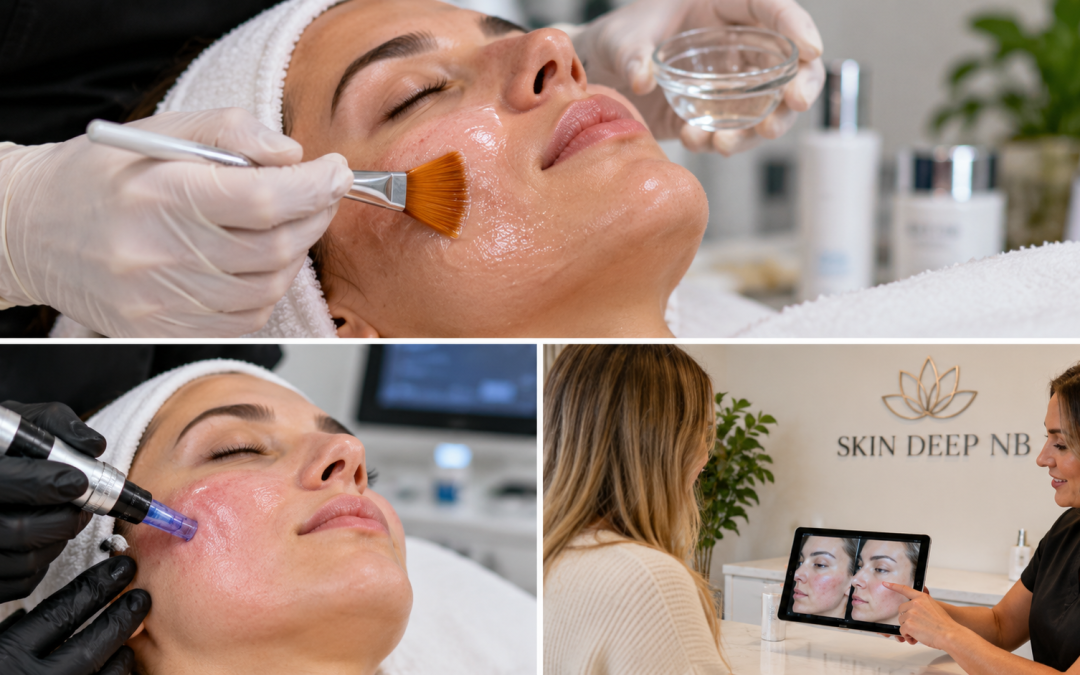
Chemical peels and microneedling are two popular options for people who want smoother, brighter and more even-looking skin without surgery. At first, they can seem like treatments designed to accomplish the same thing. Both may be discussed for concerns such as uneven texture, signs of aging, acne-related changes and overall skin rejuvenation.
However, they work very differently.
A chemical peel uses a carefully selected chemical solution to exfoliate targeted layers of the skin. Microneedling creates controlled micro-injuries that stimulate the skin’s natural repair process and support collagen production.
Understanding that difference can make choosing between them much easier.
At Skin Deep NB, treatment selection is based on individual skin concerns rather than assuming that one procedure is appropriate for everyone. Patients can explore the clinic’s broader range of skin and aesthetic services before discussing which approach fits their goals.
How Does a Chemical Peel Work?
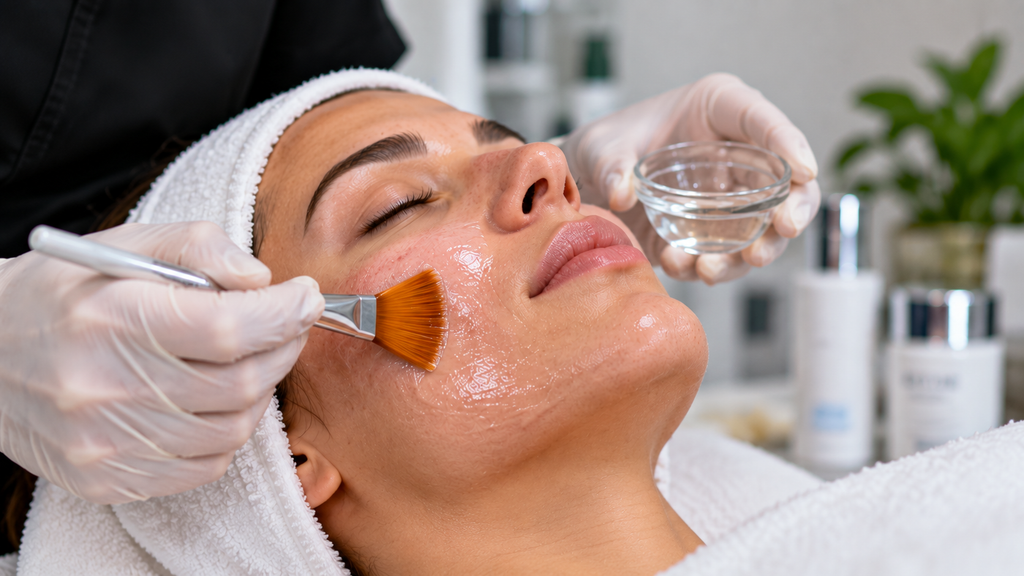
A chemical peel involves applying a professional solution to the skin to produce controlled exfoliation.
Depending on the formulation and treatment depth, the procedure can help remove damaged surface cells and encourage fresher-looking skin to become more visible as the treated area renews.
Chemical peels can be particularly useful when the concern involves dullness, uneven tone, superficial pigmentation or certain acne-related changes.
Skin Deep NB includes chemical peels among its professional skin rejuvenation options, with treatment intensity selected according to individual skin needs.
The word “peel” can make the procedure sound more aggressive than it necessarily is. Not every chemical peel produces dramatic visible peeling. The response depends on the type and strength of the peel as well as the patient’s skin.
This is why choosing a professional peel is about more than selecting the strongest option available.
How Does Microneedling Work?
Microneedling approaches rejuvenation differently.
Rather than chemically exfoliating the surface, very fine needles create controlled microchannels in the skin. This initiates a repair response that supports collagen and elastin production.
Skin Deep NB offers microneedling in New Braunfels for concerns that can include uneven texture, acne scars, fine lines and overall skin quality.
Because collagen remodeling develops gradually, microneedling should not be viewed as an instant surface treatment. Improvements can continue to become noticeable as the skin responds after treatment.
Skin Deep NB also uses microneedling as one of the approaches available for acne scarring.
Which Is Better for Uneven Skin Tone?
If discoloration and dullness are the main concerns, a chemical peel may be worth discussing.
Controlled exfoliation can help improve the appearance of superficial uneven tone and encourage a brighter-looking complexion. The exact peel chosen matters because pigmentation concerns are not identical and different skin types can respond differently.
Sun exposure is another consideration, particularly for patients living in Central Texas.
Skin Deep NB has previously discussed pigmentation and UV-related concerns in its article about sun damage treatments in Texas. This broader context is important because treating existing discoloration without protecting the skin from continued UV exposure can work against long-term improvement.
Not every dark spot should automatically be treated with a peel. Pigmentation should be appropriately assessed before selecting a procedure.
Which Treatment Is Better for Acne Scars?
This question depends heavily on what someone means by an acne scar.
Acne can leave behind discoloration, textural irregularities or depressed scars. These concerns may look related, but they do not necessarily require the same treatment.
Microneedling is particularly relevant when collagen remodeling and texture are priorities. By stimulating a controlled repair response, it may help soften the appearance of appropriate acne scars over a planned treatment series.
Skin Deep NB’s dedicated acne treatment in New Braunfels also distinguishes active acne care from treatment options for acne scarring. The clinic lists microneedling among its approaches for scar-related concerns.
Chemical peels may have a different role when post-acne discoloration, surface irregularity or ongoing pore congestion is more prominent.
For someone experiencing both active breakouts and established scars, the first priority may be controlling acne before concentrating on scar remodeling.
What About Fine Lines and Aging Skin?
Both treatments can contribute to a rejuvenation plan, but again, they do so differently.
A chemical peel can improve surface appearance by removing damaged cells and encouraging renewal. This may make dull or uneven skin appear fresher and smoother.
Microneedling works more directly through the wound-healing and collagen-remodeling response, making it relevant when fine textural lines and changes in skin quality are priorities.
Neither procedure, however, should automatically be used for every type of wrinkle.
Expression lines caused primarily by repeated muscle movement are different from fine lines associated with skin quality. Skin Deep NB offers Botox and Xeomin for appropriate dynamic wrinkles, demonstrating why identifying the cause of a concern is important before choosing treatment.
How Is RF Microneedling Different?
Patients researching microneedling may also encounter RF microneedling.
Traditional microneedling creates controlled micro-injuries mechanically. RF microneedling adds radiofrequency energy delivered into targeted tissue, creating an additional form of controlled stimulation.
Skin Deep NB offers radiofrequency microneedling for patients whose treatment goals may involve concerns such as texture, scarring or changes in skin firmness.
This does not make RF microneedling automatically superior to a traditional treatment or chemical peel. Each procedure has a different purpose.
A patient with relatively superficial dullness may need a very different approach from someone with deeper textural acne scarring.
Your Main Concern Should Guide the Choice
The easiest way to compare these treatments is not by asking which one is more powerful.
Instead, identify the primary concern.
Chemical peels may enter the conversation when surface dullness, superficial pigmentation or uneven tone is prominent. Microneedling may make more sense when collagen stimulation, texture or certain acne scars are the priority. RF microneedling can provide another option when a provider determines that additional energy-based stimulation is appropriate.
Some patients have several concerns at once, which is why an individualized assessment is more useful than choosing a procedure based solely on social media results or another person’s experience.
The goal is not to select the treatment with the most dramatic name. It is to select the treatment whose mechanism best matches what is actually happening in your skin.
How Much Downtime Should You Expect?
Downtime is an important consideration when comparing chemical peels and microneedling, especially for patients planning treatment around work, travel or an important event.
After a chemical peel, the skin may temporarily feel dry, tight or sensitive. Depending on the type and depth of the peel, some patients may experience visible flaking or peeling. The intensity and duration of these effects can vary considerably.
Microneedling can also cause temporary redness, sensitivity or mild swelling. The skin may initially resemble a mild sunburn before gradually settling.
More intensive treatments may require additional recovery time. This is one reason treatment depth should be selected according to the patient’s skin and goals rather than simply choosing the strongest available option.
How Many Treatments Might You Need?
Neither chemical peels nor microneedling should be evaluated only on the result of a single session.
The number of treatments depends on the concern being addressed, its severity, the procedure selected and how the individual’s skin responds.
Someone seeking general brightening may have a different treatment schedule from a patient addressing established acne scars or significant texture changes. Microneedling results also develop progressively because collagen remodeling takes time.
Skin Deep NB’s existing article about microneedling with PRP provides additional information for patients researching collagen-focused rejuvenation options.
Instead of starting with a predetermined number of sessions, a professional consultation can establish realistic expectations and a treatment schedule suited to the individual concern.
Can Chemical Peels and Microneedling Be Combined?
Patients with several skin concerns may benefit from a treatment plan that uses more than one approach over time.
For example, someone may have both uneven pigmentation and textural acne scarring. Because chemical peels and microneedling work through different mechanisms, a provider may consider how different treatments could fit into an overall skin plan.
That does not mean they should automatically be performed together or scheduled closely.
The skin needs appropriate recovery time, and treatment timing should account for sensitivity, the intensity of each procedure and the patient’s individual response.
Skin Deep NB also offers other skin rejuvenation treatments for concerns involving texture and visible signs of skin damage. Having several options makes professional assessment particularly important because more treatments do not necessarily mean better results.
Who May Be a Good Candidate?
Candidacy depends on more than simply having a skin concern that appears on a treatment’s list of potential uses.
A provider may consider skin type, current skin condition, medical history, medications, active infections, recent procedures and other relevant factors before recommending treatment.
Active inflammatory acne may also need a different strategy from established acne scarring.
Likewise, patients prone to pigmentation changes or those with significant sun exposure should discuss these factors before undergoing procedures that temporarily make the skin more sensitive.
A consultation helps determine not only which procedure may be appropriate, but also whether treatment should be postponed or modified.
Aftercare Matters for Both Treatments
What happens after a professional skin treatment can influence recovery and the overall experience.
Freshly treated skin can be more sensitive, so patients should follow the individualized aftercare instructions given by their provider. Gentle skincare and careful sun protection are commonly important parts of the recovery period.
It may also be necessary to temporarily avoid certain active skincare ingredients or products that could irritate recovering skin. Exactly when normal products should be restarted depends on the procedure and how the skin responds.
Skin Deep NB offers SkinBetter Science skincare as part of its broader approach to professional skincare. Product selection around procedures should still be personalized rather than adding multiple active ingredients immediately after treatment.
Patients should contact their treating provider if they develop symptoms that seem unusual or more severe than the expected post-treatment response.
Choosing Between Treatments in New Braunfels and Canyon Lake
The most useful comparison between a chemical peel and microneedling comes back to the condition of your skin.
Someone mainly concerned with dullness and superficial discoloration may require a different approach from someone trying to improve depressed acne scars or persistent textural irregularities.
Age alone is not enough to make that decision.
Two patients of similar ages can have completely different combinations of sun exposure, acne history, pigmentation, sensitivity and collagen-related changes.
Skin Deep NB serves patients seeking personalized aesthetic care in New Braunfels and through its Canyon Lake location. Rather than choosing a treatment solely because it is popular, patients can discuss the concern they want to improve and develop an appropriate treatment plan.
Match Treatment to Concern
Chemical peels and microneedling can both have a place in skin rejuvenation, but they should not be considered interchangeable.
Chemical peels primarily use controlled exfoliation and may be considered for concerns such as dullness, uneven tone and certain superficial pigmentation changes. Microneedling creates controlled micro-injuries that encourage a repair response and collagen remodeling, making it particularly relevant to texture and appropriate acne scars.
RF microneedling, resurfacing and other procedures expand the options further.
The right choice therefore depends on the concern, skin characteristics, treatment history and realistic expectations. Patients in New Braunfels and Canyon Lake can contact Skin Deep NB for an individualized consultation before deciding which approach fits their skin.
Frequently Asked Questions
Is microneedling better than a chemical peel for acne scars?
Microneedling may be considered when textural or depressed acne scars are the primary concern because it focuses on controlled skin repair and collagen remodeling. Chemical peels may be more relevant to certain superficial marks and uneven pigmentation. The type of acne-related change should be assessed first.
Which treatment is better for dark spots?
Chemical peels may help with certain forms of superficial pigmentation, but dark spots can have different causes. Skin type and the nature of the pigmentation should be evaluated before treatment because not every pigmented area should be treated in the same way.
Does microneedling hurt more than a chemical peel?
The experience varies according to treatment intensity and individual sensitivity. Chemical peels may produce warmth, tingling or stinging, while microneedling can cause temporary discomfort. Providers may use measures designed to make appropriate procedures more comfortable.
How long does it take to see microneedling results?
Some changes in skin appearance may become noticeable during recovery, while collagen-related improvements generally develop more gradually. Results and timelines vary according to the concern, treatment intensity and individual response.
Will my skin visibly peel after a chemical peel?
Not necessarily. The amount of visible peeling depends on the formulation and depth of the treatment as well as individual skin response. A professional peel can still produce an exfoliating effect without dramatic sheets of visible peeling.
Can I get a chemical peel and microneedling at the same time?
These treatments should not automatically be combined during the same appointment. Appropriate spacing depends on treatment intensity, skin condition and recovery. A qualified provider should determine the safest sequence and timing.
Which treatment should I choose for overall skin rejuvenation?
It depends on what “rejuvenation” means for your skin. Pigmentation, dullness, texture, scars and fine lines can require different approaches. A professional skin assessment can identify the dominant concerns and determine whether a peel, microneedling or another treatment is more appropriate.